“Notes from a Small Island” - Bill Bryson
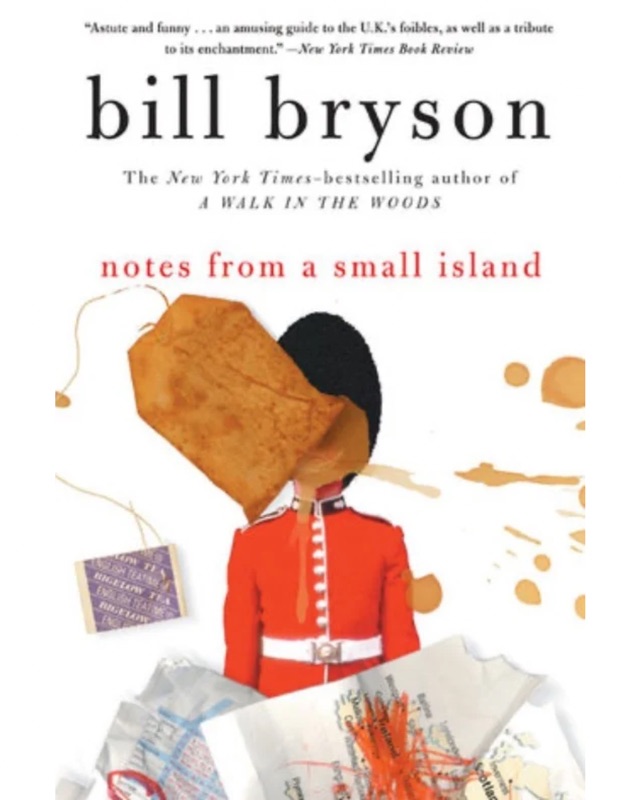
🇬🇧 NFSI is Bill Bryson at his most affectionate and exasperated, a travelogue that doubles as a love letter scribbled in the margins. Ostensibly a farewell tour of Britain, the book becomes something richer: an inventory of small moments, overlooked places, and gentle absurdities.
🇬🇧 Bryson’s genius lies not in grand historical insight but in his eye for the trivial—the missed trains, the baffling signage, the stubbornly unhelpful systems—and his ability to render them both comic and oddly tender. Even when he’s impatient, there’s an undercurrent of admiration for the resilience and peculiar charm of British life.
🇬🇧 I had a chuckle over his bemusement over the British interpretation of distances and geography. Distances Americans would consider an easy drive, would be anathema to Brits. Yet they view themselves as an isolated island despite their proximity to all of Europe.
🇬🇧 I loved his take on Brits taking a shot at communism: per Bryson, their natural inclination would render their economic experiment far more successful than the Russians. How droll.
🇬🇧 Another classic Brysonian bit is the passage where he contemplates “the funny little system of the peerage”. Not one to spare himself, there’s the part where he is hesitating over whether to trespass along a private drive and confers upon himself the title “Lord Lather of Indecision”.
🇬🇧 NB I haven’t visited any of the cities referenced below 👇 myself. I just enjoy the classic Brysonian quotes.
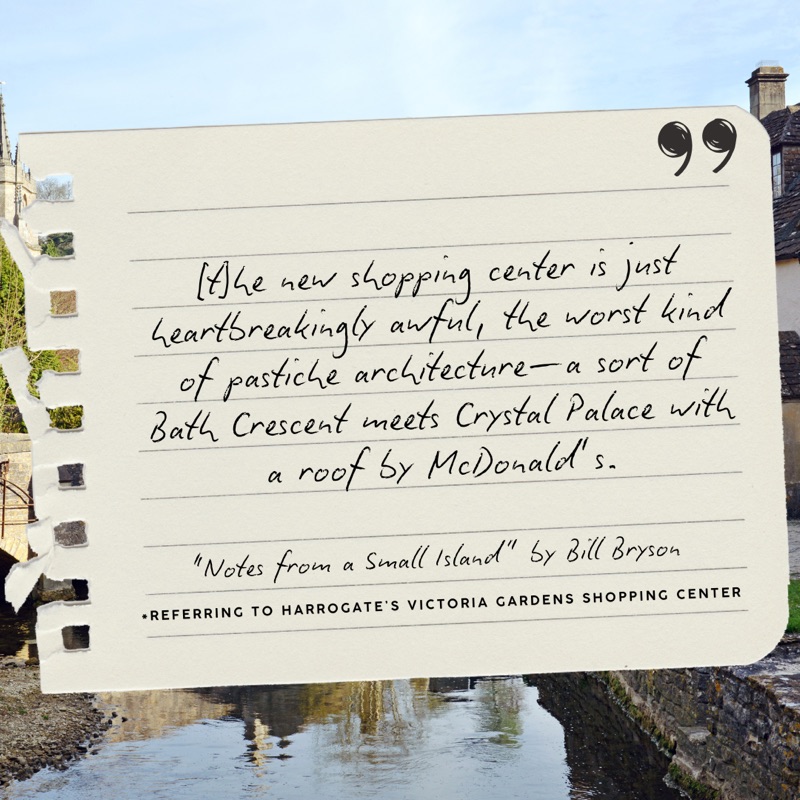
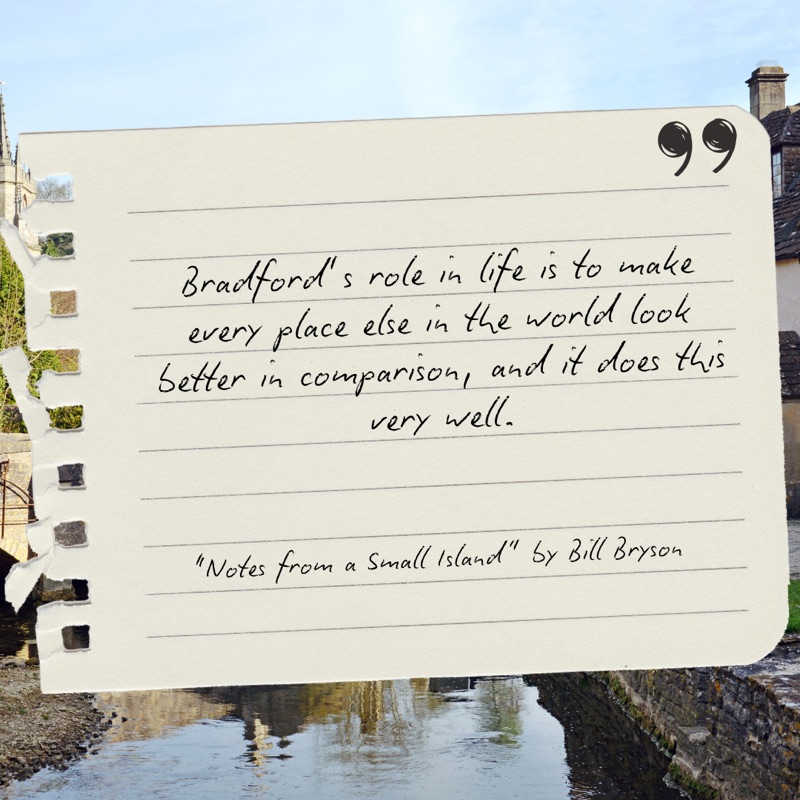
🇬🇧 Humorous zingers notwithstanding, Bryson is a true devotee of British architectural heritage. While he is suffuse in his praise, he is equally unsparing in his criticism. Take for example, his disappointment in the unevenness of the architecture in Oxford or his lamentations on the loss of hedgerows.
🇬🇧 What elevates NFSI from simply a humorous travelogue, is its tone: amused, observant, and deeply human. Bryson reminds us that travel isn’t always about revelation or transformation; sometimes it’s about noticing what’s right in front of you, preferably while slightly lost and mildly annoyed. In doing so, he captures not just a place, but the feeling of moving through it.


Comments
Post a Comment