Review: “Charlie and the Chocolate Factory” by Roald Dahl
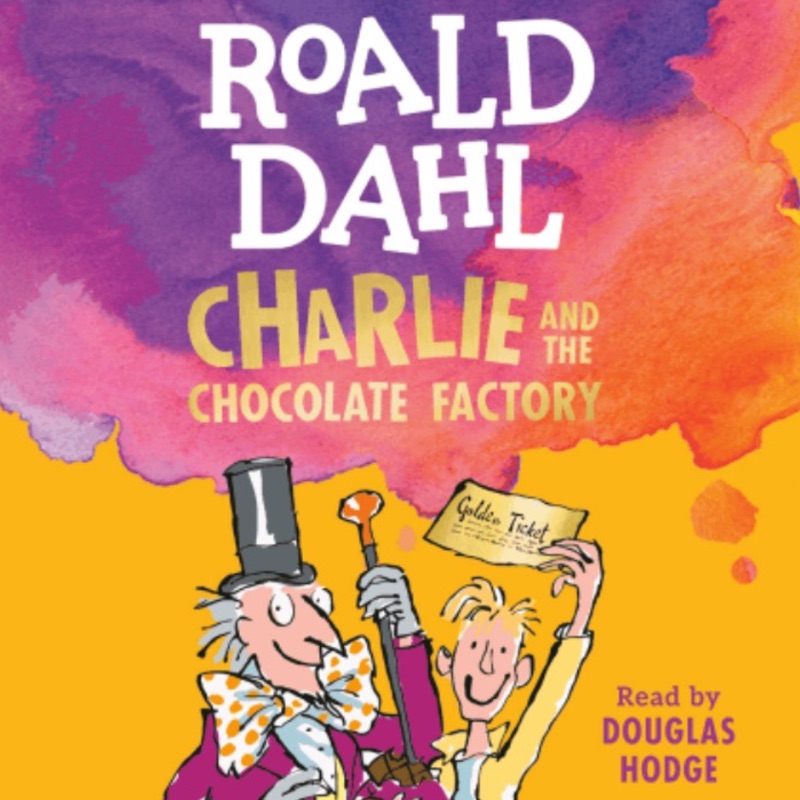
Rereading CCF last year —when my youngest was in 2nd grade—was a reminder of how effortlessly Roald Dahl balances delight and instruction. The moral lessons land clearly without feeling heavy-handed. The comeuppances of Veruca, Violet, Augustus, et al still provoke genuine laughter or at least a smirk or two from the big kids. Beneath the spectacle and silliness, the novel’s quiet insistence on integrity remains as resonant for adults as it is irresistible to young readers.
🍬 The Bucket Family
Dahl makes it quite clear that they live in extreme poverty. However, he also goes to great lengths to show that Charlie is surrounded by love.
Mr. and Mrs. Bucket live in the present tense. They do not indulge in fantasy because they cannot afford to. Their love shows up as self-denial and discipline. Surely they would love to spend more time with Charlie, and engage in leisurely activities like storytelling, but they are too harried and stressed with providing for the family to do so. Mr. Bucket works tirelessly at a joyless job. Mrs. Bucket stretches impossibly small resources. Neither parent complains in a way that burdens Charlie emotionally. There is no doubt of their love for the family and Charlie in particular.
The 4 grandparents live in the past through memories, and in the imagination. Their presence emphasizes how much has been lost (health, work, mobility) but also what remains (affection and wonder). Narratively, they humanize deprivation of poverty. Charlie’s kindness is visible because he chooses to share with people who cannot reciprocate materially.
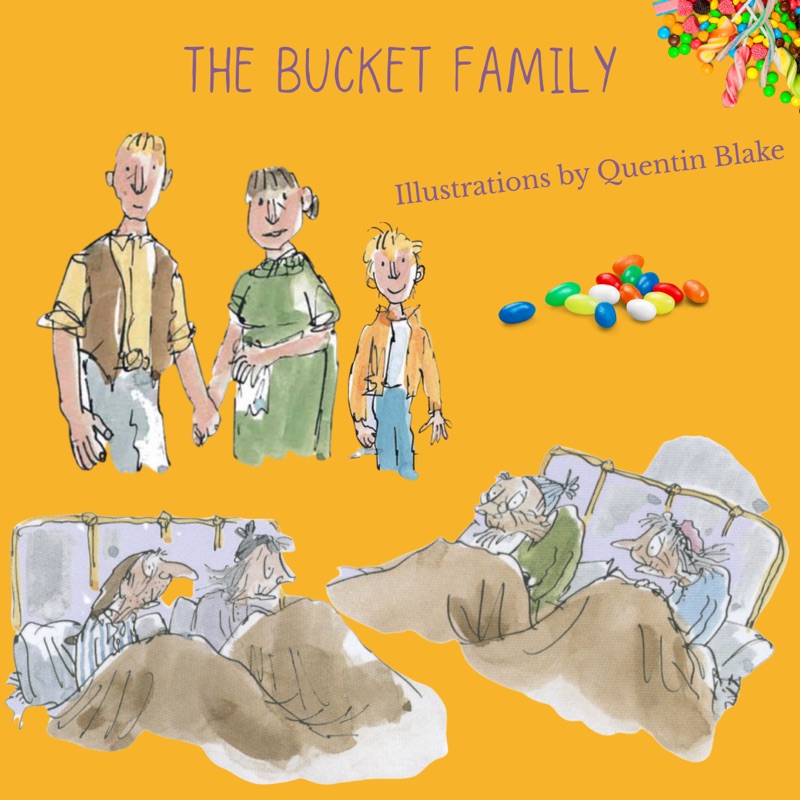
Charlie sits between these two generations. From his parents Charlie learns his self-control, moral clarity, and a refusal to take more than his share. From his grandparents he has learned his sense of wonder, gratitude, and openness to what life brings. Charlie’s goodness is not naïve or escapist; it’s tempered by realism.
Dahl uses the family structure to balance the story. Mr. and Mrs. Bucket prevent the story from tipping into sentimentality. The grandparents soften the bleakness with warmth. Charlie is believable precisely because he is raised by both love and limits. Without the parents, Charlie’s virtue might feel sugary. Without the grandparents, the Bucket home would feel punishingly austere.
🍬 Why does Grandpa Joe accompany Charlie?
Having Grandpa Joe accompany Charlie rather than Mrs. Bucket, is the perfect foil for Wonka’s final test. Mrs. Bucket would have externally regulated Charlie — corrected, warned, and steered him along the way as parents do. With Grandpa Joe, Charlie must self-regulate. Wonka’s final test hinges on what Charlie does when no one is enforcing rules.
Joe is fallible. He is over-owed and tempted. He urges rule-breaking. It is a difficult lesson, but Charlie learns it without being taught: love does not excuse wrongdoing. Further, he is not resentful towards Joe for his mistake and what it will cost them.
The purpose of the tour wasn’t to weed out the rule-breakers and reward the one rule follower. Wonka aims to reward principled choice under threat of major disappointment.
🍬Gene Wilder-era Grandpa Joe did Joe dirty
The film portrayal in “Willy Wonka and the Chocolate Factory” will give readers major tonal whiplash in re. Joe. Going on the Wilder film alone, Joe is opportunistic, morally careless, emotionally volatile, and over-eager. He’s a far cry from the Joe of CATCF. Book Joe is gentle, warm, and quietly devoted to Charlie. Maybe they were trying to play up the comedic effect? I am not sure. But they definitely did some character assassination.
Justice for Joe!
📖 Book Joe:
- He is frail and bedridden from the beginning.
- Of the 4 grandparents, he’s Charlie’s emotional support: he listens, reminisces, and shares Charlie’s enthusiasm and wonder.
- When he accompanies Charlie, it’s framed as a precious opportunity not as a dramatic personality shift.
- Joe isn’t portrayed as lazy or selfish. His joy feels real and contagious, like an old man briefly reclaimed by magic.
- Although he’s definitely fallible, Joe does his best to support Charlie.
🎬 Movie Joe:
- Has been in bed “for 20 years,” yet springs up instantly once the Golden Ticket appears.
- His celebratory jig (that’s right, he’s been bedridden, but now he’s dancing) centers his joy more than Charlie’s.
- He encourages Charlie to break Wonka’s rules (the fizzy lifting drink) which to be fair, he does in the book as well, but it’s more cunning/devious in the movie version
- Despite being the instigator for breaking the rules, he lashes out at Wonka when consequences appear. He’s quite passive in the book, ashamed of his choices.
- Movie Joe comes off pretty selfish.
🍬 Oompa Loompas
Here’s my brief take on them. Obviously the original version was racially and colonially shall we say … problematic (cough enslaved labor). The revised version removes the overt racial coding, but adults could still see the issues of labor ethics if you wanted to look at it that way.
The way I read it myself as a kid, and again now seeing how my kids reacted to them (plus factoring in the portrayal in the Wilder, Depp, and Chalamet films) — they feel like Wonka’s personal Greek chorus. They sing moral judgements as part of the already wacky ecosystem of the factory.
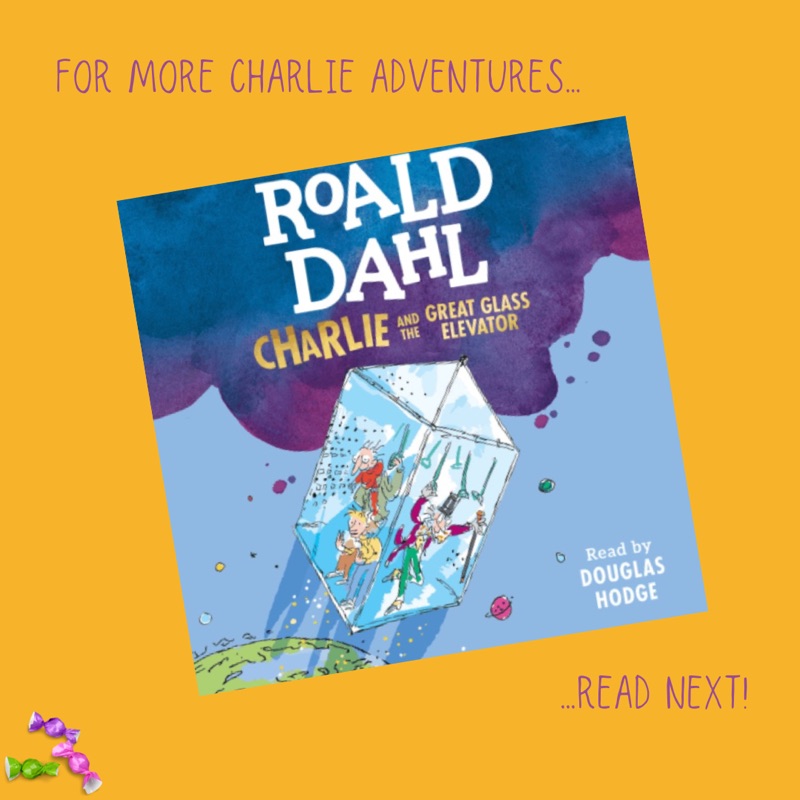
🍬Next in series:
Fair warning it is trippier than CCF. Significantly so. As in Dahl may have lost the plot it’s so trippy. But he does let his imagination go bonkers.
🍬Final thoughts…
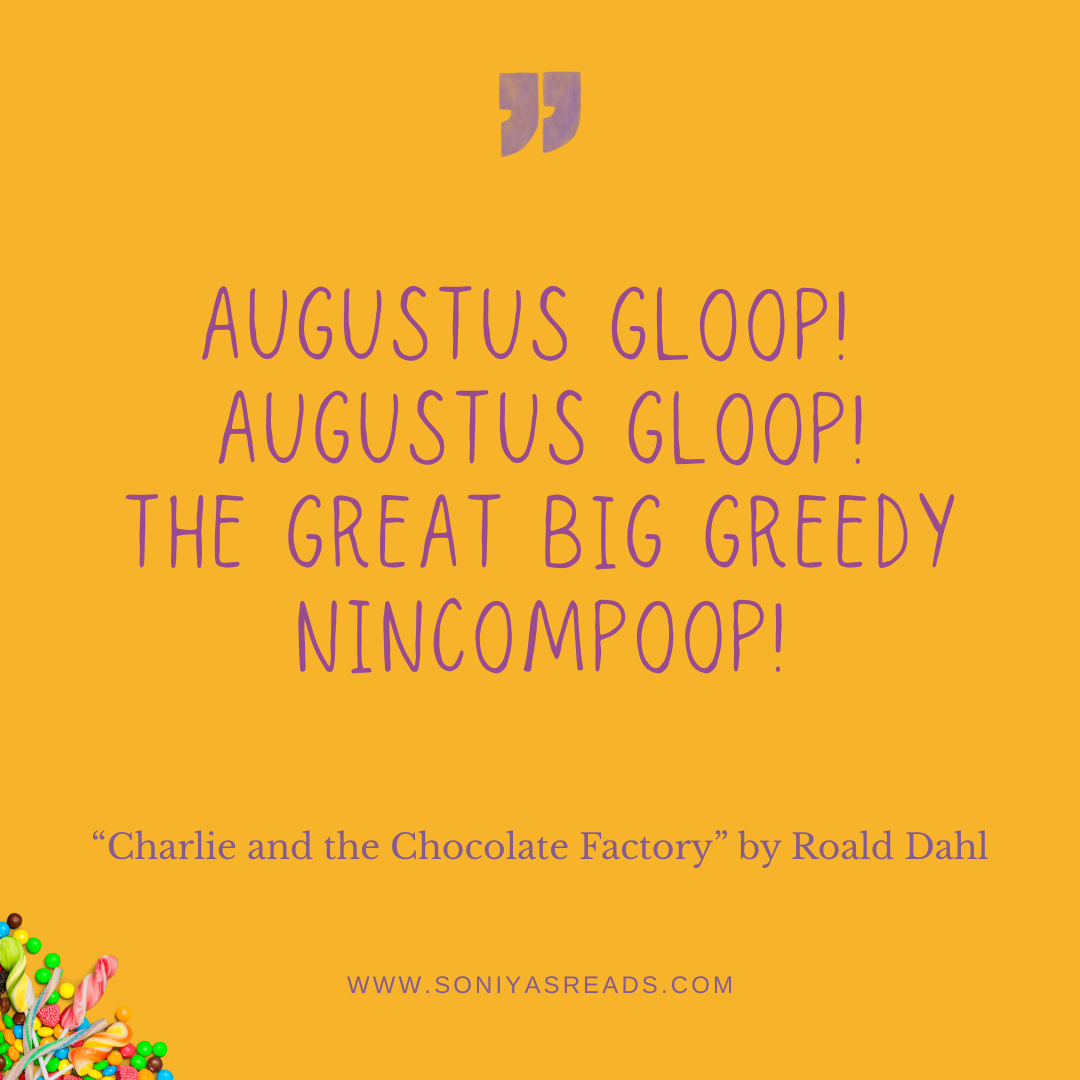
I’ll leave you with this … and now you can’t get it out of your head. You’re welcome.


Comments
Post a Comment