“Mother Night” - Kurt Vonnegut
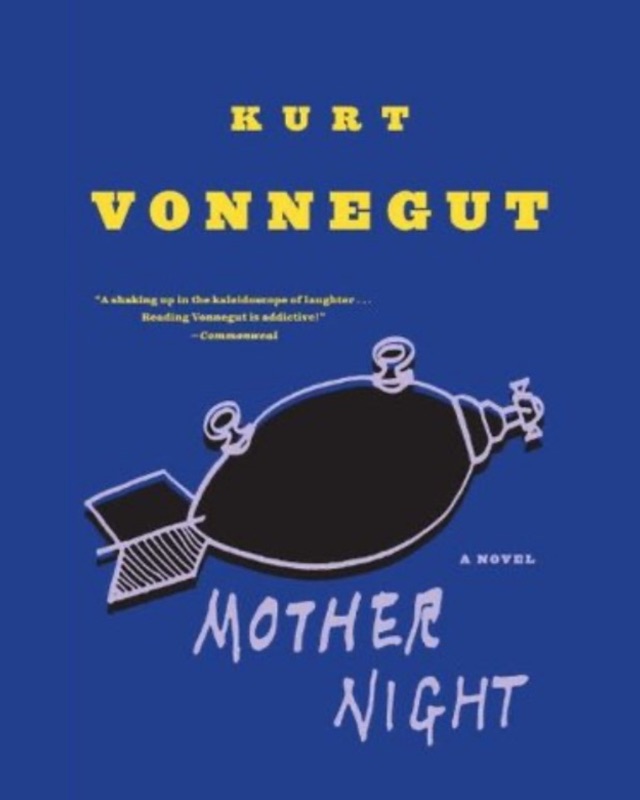
💣 If you haven’t read this novel, now (with the actual madness that we are coping with in the US) would be a very good time to read it. The messaging of being on the morally right side of history bears repeating, although I suspect my entreaty to read MN is preaching to the choir if you’re here reading this post.
💣 This was my first novel by Vonnegut - I know, I know. I am embarrassed to admit it, but there it is. I picked it up and was hooked by the end of the first sentence. Why did I wait so long?! This is satire at its finest.
💣 I had added several Vonnegut novels to my library holds, and picked this one as it became available. I had no knowledge of what MN was about: war criminals… N*zis…Nuremberg…oh my! Vonnegut won me over immediately with his narrative style.
💣 Howard Campbell Jr. is a cynical humanist and also a former N*zi propagandist. MN is his story. I spent much of the novel ruminating on the meaning of the title itself. I recognized the reference to Goethe’s “Faust” but there is much more to unpack, see below.
💣 The ending caught me by surprise, but then I felt it was foretold based on a distinction Campbell makes between himself and the Eichmanns, Goebbels, etc.
💣 The significance of the title:
Reference to Goethe:
In “Faust” MN is a mysterious, dark force. The allusion suggests a connection to moral ambiguity and the dangers of delving into darkness to achieve one’s objectives. This mirrors Campbell’s descent into murky moral waters as a spy/propagandist during WWII.
Symbol of darkness and moral ambiguity
“Mother Night” evokes the contrasting ideas of nurturing and darkness where truth/lies, good/evil are indistinguishable. This is Campbell’s dilemma. He outwardly serves as a N*zi propagandist, while secretly working as an American spy. But his actions, while intended for a noble cause, contribute to immense evil in the short run, forcing him to confront the consequences of his choices.
Dual identity
Throughout MN Campbell struggles with his dual identity — publicly a N*zi, privately a patriot — and this ambiguity only grows post-war. He struggles to answer the question of whether he is more defined by his intentions or the role he played in history.
Consequence of embracing darkness
MN suggests that engaging with darkness, even for justifiable reasons, inevitably taints the individual. Just as darkness obscures truth, Campbell’s actions ultimately leave him morally compromised, unable to disentangle himself from the evil he helped propagate. MN is the metaphor for moral compromise and living with the consequences of these choices no matter how well-intentioned.
💣Recommended reading:
“Remains of the Day” by Kazuo Ishiguro


Comments
Post a Comment